











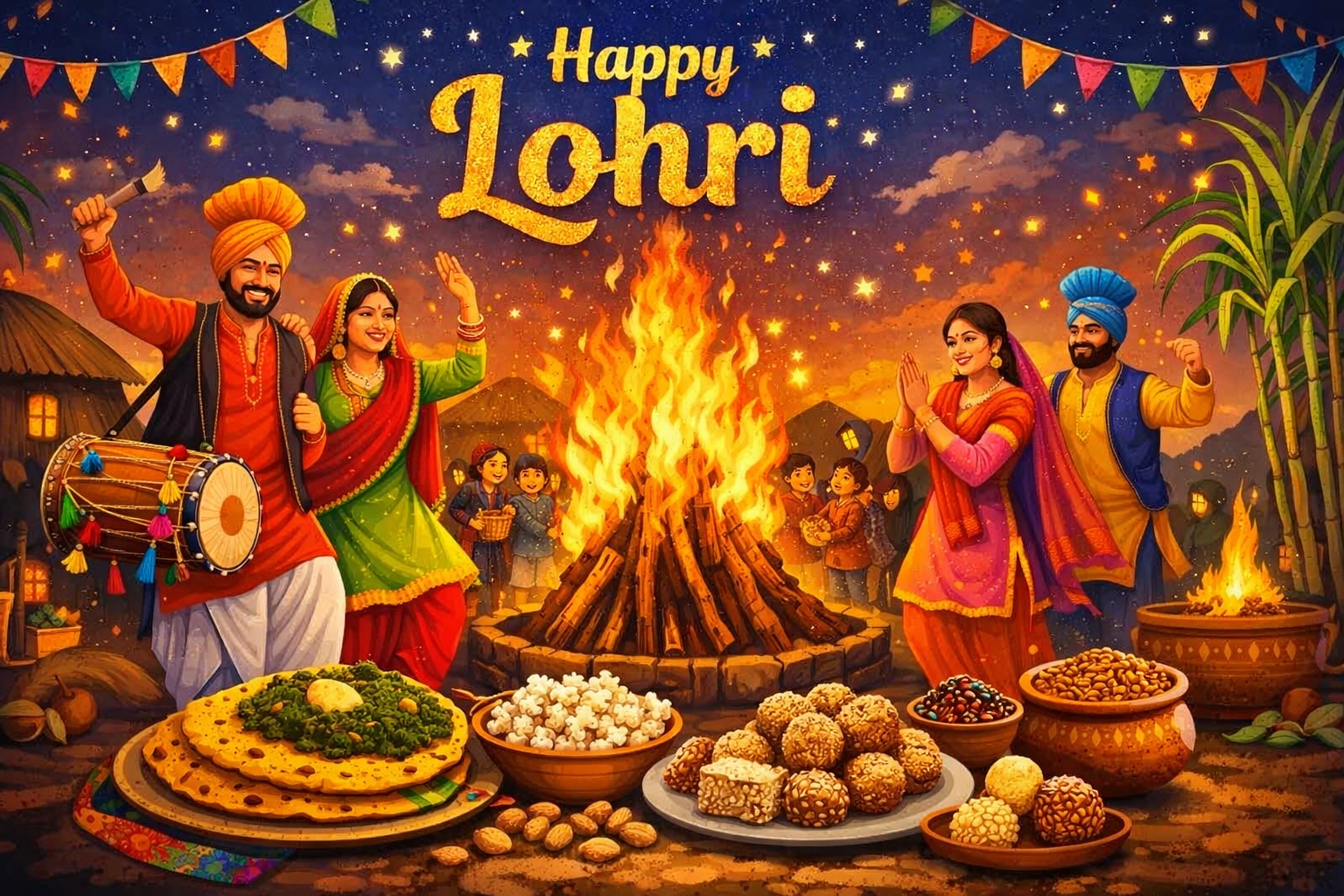



The festival of Lohri is one of the most vibrant and culturally rich celebrations in India, especially in the northern regions such as Punjab, Haryana, Himachal Pradesh, and parts of Delhi. Celebrated with great enthusiasm, music, dance, and a sacred bonfire, Lohri marks the end of winter and the arrival of longer days. Lohri 2026 continues this age-old tradition, bringing communities together to celebrate harvest, prosperity, and gratitude toward nature.
Rooted in folklore, agrarian traditions, and Punjabi culture, Lohri is more than just a festival—it is an emotional and cultural celebration that brings families, friends, and communities together around a sacred bonfire. In Lohri 2026, people will once again sing traditional songs, dance to energetic beats of dhol, offer prayers to fire, and celebrate togetherness with warmth and happiness.
This article explores the history, meaning, rituals, celebrations, traditions, and cultural importance of Lohri 2026, offering a complete understanding of why this festival holds a special place in Indian culture.
What Is Lohri Festival?
Lohri is a harvest festival primarily celebrated by farmers and agricultural communities. It symbolizes the end of the harsh winter season and the beginning of the harvest of Rabi crops, especially sugarcane and wheat. The festival is traditionally observed on 13th January every year, a day before Makar Sankranti.
In Lohri 2026, families, friends, and communities will gather around a bonfire, sing folk songs, perform traditional dances like Bhangra and Gidda, and offer prayers for prosperity, happiness, and abundance.
Lohri 2026: Date and Timing
- Festival Name: Lohri
- Lohri 2026 Date: 13 January 2026 (Tuesday)
- Main Ritual: Lighting of the sacred bonfire in the evening
Lohri is celebrated at night, as the bonfire is the central element of the festival. The warmth of the fire represents the sun’s energy and the end of cold winter nights.
History of Lohri Festival
The history of Lohri is deeply rooted in Indian folklore, agrarian traditions, and ancient beliefs. While there is no single written historical record defining its exact origin, Lohri has evolved over centuries as a seasonal and agricultural celebration.
Connection with Agriculture
Punjab and surrounding regions rely heavily on agriculture. Lohri celebrates the harvesting of sugarcane and the sowing of wheat. For farmers, Lohri represents hope, prosperity, and gratitude for a good yield.
Folklore of Dulla Bhatti
One of the most popular legends associated with Lohri is that of Dulla Bhatti, a Punjabi folk hero who lived during the Mughal era. He was known for rescuing girls from being sold into slavery and helping them get married with dignity. Traditional Lohri songs praise Dulla Bhatti, and his name remains an inseparable part of the festival.
Solar Significance
Lohri marks the last day of Paush month and is closely related to the sun’s movement toward the northern hemisphere. This transition is considered highly auspicious in Indian culture.
Meaning and Significance of Lohri 2026
The significance of Lohri 2026 goes beyond festivities. It carries deep symbolic meaning tied to nature, spirituality, and community life.
End of Winter
Lohri celebrates the farewell to cold winter days and welcomes longer daylight hours. The bonfire symbolizes warmth, light, and positive energy.
Honoring the Sun God
Fire is believed to represent the Sun God, and offering prayers to the bonfire is a way of thanking the sun for sustaining life and crops.
Prosperity and Fertility
Lohri is considered highly auspicious for new beginnings, especially marriages and childbirth. Families celebrating their first Lohri after marriage or the birth of a child consider it especially important.
Why Is Lohri Celebrated?
Lohri is celebrated to:
- Thank nature for agricultural abundance
- Celebrate harvest and prosperity
- Mark seasonal change
- Strengthen family and community bonds
- Preserve Punjabi folk culture and traditions
In Lohri 2026, the festival continues to symbolize unity, gratitude, and joy in both rural and urban settings.
Traditional Lohri Celebrations
Lohri Bonfire Ritual
The central ritual of Lohri is lighting a bonfire in the evening. People gather around it and offer:
- Sesame seeds (til)
- Jaggery (gur)
- Peanuts
- Popcorn (phulkian)
- Rewri and gajak
These offerings are symbolic of gratitude and prayers for prosperity.
Parikrama (Circling the Fire)
Devotees perform parikrama, walking around the bonfire while throwing offerings into the fire and chanting prayers.
Singing Folk Songs
Traditional Lohri songs narrate stories of harvest, folklore, and Dulla Bhatti. Children go door-to-door singing songs and collecting sweets and money.
Traditional Food of Lohri 2026
Food plays an essential role in Lohri celebrations. The dishes are simple, nutritious, and winter-friendly.
Popular Lohri Foods
- Makki di Roti (cornbread)
- Sarson da Saag (mustard greens)
- Til-Gur Laddoos
- Rewri and Gajak
- Peanuts and Popcorn
These foods symbolize warmth, energy, and agricultural produce.
Dance and Music During Lohri
Bhangra
Performed by men, Bhangra is a high-energy dance celebrating joy, harvest, and victory.
Gidda
Performed by women, Gidda expresses happiness through graceful movements and traditional boliyan (folk verses).
Music and dance are central to Lohri 2026, keeping Punjabi culture alive across generations.
Lohri Traditions for Newlyweds and Newborns
Lohri holds special significance for families celebrating:
- First Lohri after marriage
- First Lohri of a newborn child
Special rituals include:
- Giving gifts to the couple or child
- Distributing sweets
- Hosting family gatherings
- Dressing in traditional attire
These customs symbolize blessings for fertility, happiness, and prosperity.
Cultural Importance of Lohri Festival
Preserving Punjabi Heritage
Lohri plays a vital role in preserving Punjabi folk songs, dances, rituals, and oral traditions.
Community Bonding
The festival promotes unity, as people from all backgrounds come together to celebrate.
Agricultural Respect
Lohri highlights respect for farmers and agricultural cycles, reminding society of its dependence on nature.
Lohri 2026 Celebrations in Modern Times
In modern cities, Lohri celebrations have evolved while retaining traditional essence.
Urban Celebrations
- Community bonfires in societies
- Cultural programs in schools and offices
- Lohri-themed parties and events
Digital Celebrations
- Online Lohri wishes
- Virtual family gatherings
- Social media sharing of traditions
Despite modernization, Lohri 2026 continues to uphold cultural roots.
Lohri vs Makar Sankranti
While Lohri and Makar Sankranti fall around the same time, they differ in regional significance:
| Aspect | Lohri | Makar Sankranti |
| Region | Punjab & North India | Pan-India |
| Time | Night | Day |
| Ritual | Bonfire | Holy dip, kite flying |
| Focus | Harvest & Winter End | Solar Transition |
Both festivals celebrate the sun’s journey and seasonal change.
Environmental Awareness and Lohri
In recent years, eco-friendly Lohri celebrations have gained importance.
Eco-Friendly Practices
- Smaller bonfires
- Avoiding plastic items
- Using organic offerings
- Promoting community bonfires instead of individual ones
Lohri 2026 encourages responsible celebration while protecting the environment.
Lohri 2026 Wishes and Greetings
People exchange warm wishes during Lohri, expressing joy and blessings:
- “May the Lohri fire burn away all worries and bring happiness.”
- “Wishing you warmth, prosperity, and success this Lohri 2026.”
- “Let Lohri bring sweetness, health, and good harvest into your life.”
Importance of Lohri for Future Generations
Lohri is not just a festival; it is a cultural lesson passed down through generations. It teaches:
- Respect for nature
- Importance of community
- Gratitude and sharing
- Cultural pride
Celebrating Lohri 2026 helps younger generations stay connected to their roots.
Conclusion
Lohri Festival 2026 is a beautiful celebration of life, harvest, culture, and togetherness. From its deep historical roots and agricultural importance to its joyful dances, delicious food, and sacred bonfire rituals, Lohri continues to shine as a symbol of warmth and prosperity.
As families and communities gather to celebrate Lohri 2026, the festival reminds us of the importance of gratitude, unity, and respect for nature. In a fast-paced modern world, Lohri stands as a timeless tradition that connects people to their heritage and to each other.
May Lohri 2026 bring light, happiness, abundance, and success to all.
Frequently Asked Questions (FAQs)
When is Lohri celebrated in 2026?
Lohri 2026 will be celebrated on Tuesday, 13 January 2026. The main rituals and bonfire celebrations take place in the evening.
Why is Lohri celebrated in India?
Lohri is celebrated to mark the end of winter and to welcome the harvest season, especially for Rabi crops like wheat and sugarcane. It is also a way to thank nature and the Sun God for prosperity and abundance.
What is the significance of the Lohri bonfire?
The bonfire is the most important ritual of Lohri. It symbolizes the Sun’s energy, warmth, and positivity. People offer sesame seeds, jaggery, peanuts, and popcorn to the fire as a gesture of gratitude and prayer for a good harvest.
Which regions mainly celebrate Lohri?
Lohri is mainly celebrated in Punjab, Haryana, Himachal Pradesh, Delhi, and parts of North India. However, people across India and abroad also celebrate Lohri 2026, especially Punjabi communities.
What traditional foods are prepared during Lohri 2026?
Popular Lohri foods include makki di roti, sarson da saag, til-gur laddoos, rewri, gajak, peanuts, and popcorn. These foods represent winter produce and provide warmth and energy.
What is the story of Dulla Bhatti associated with Lohri?
Dulla Bhatti was a Punjabi folk hero who helped poor girls by saving them from injustice and arranging their marriages. Traditional Lohri songs praise his bravery, making him an important cultural symbol of the festival.
Why is Lohri special for newlyweds and newborns?
The first Lohri after marriage or the birth of a child is considered highly auspicious. Families celebrate it grandly to seek blessings for happiness, fertility, good health, and prosperity.
How can Lohri 2026 be celebrated in an eco-friendly way?
Eco-friendly Lohri celebrations include using small community bonfires, avoiding plastic items, using natural offerings, and celebrating together to reduce environmental impact while preserving tradition.
Related Blog: Happy Lohri Wishes, Quotes, Status and Messages to Share




What do you think?
It is nice to know your opinion. Leave a comment.