











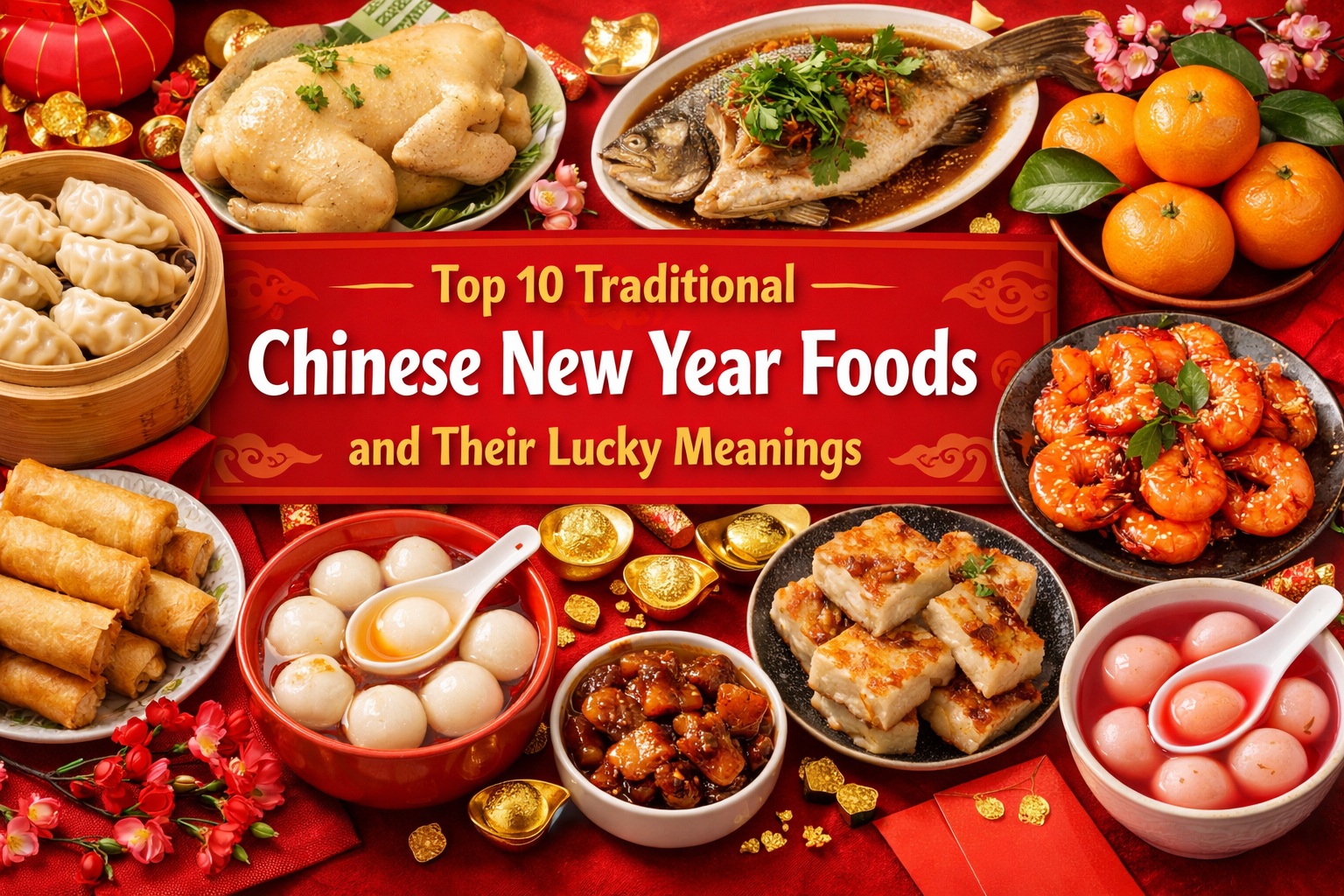



Chinese New Year is a celebration full of color, family, and tradition, and food plays a central role in welcoming the new year. Each dish served during this festival has a unique meaning, representing wealth, health, happiness, or good luck. From crispy spring rolls to sweet rice cakes, these foods are more than just delicious—they are symbolic gestures of prosperity and joy. In this blog, we dive into the top 10 traditional Chinese New Year foods and their meanings to help you celebrate the festival with understanding and taste.
Why Food is So Important During Chinese New Year
Food is at the heart of Chinese New Year celebrations, as it symbolizes more than just nourishment—it represents prosperity, happiness, and family unity. Each dish is carefully chosen for its meaning, whether it’s wealth, longevity, or good luck. Sharing these traditional foods with loved ones strengthens family bonds and keeps cultural traditions alive. From the dumplings that bring prosperity to the sweet rice cakes that promise a better year ahead, food during Chinese New Year is both a celebration and a meaningful ritual.
Must-Try Chinese New Year Foods That Bring Luck and Prosperity
Dumplings (Jiaozi)
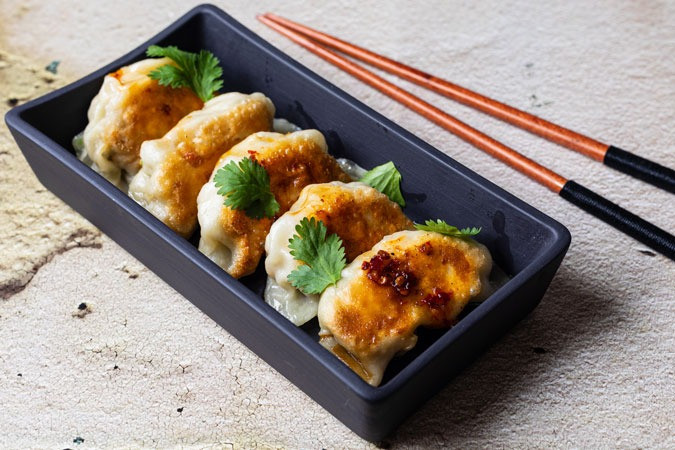
Dumplings, called Jiaozi, are a popular Chinese New Year food. They are shaped like old Chinese money, so eating them is said to bring wealth and good luck. Families often make dumplings together, which makes the festival more fun. Enjoying dumplings at New Year’s Eve is a way to welcome prosperity in the coming year.
Spring Rolls (Chunjuan)
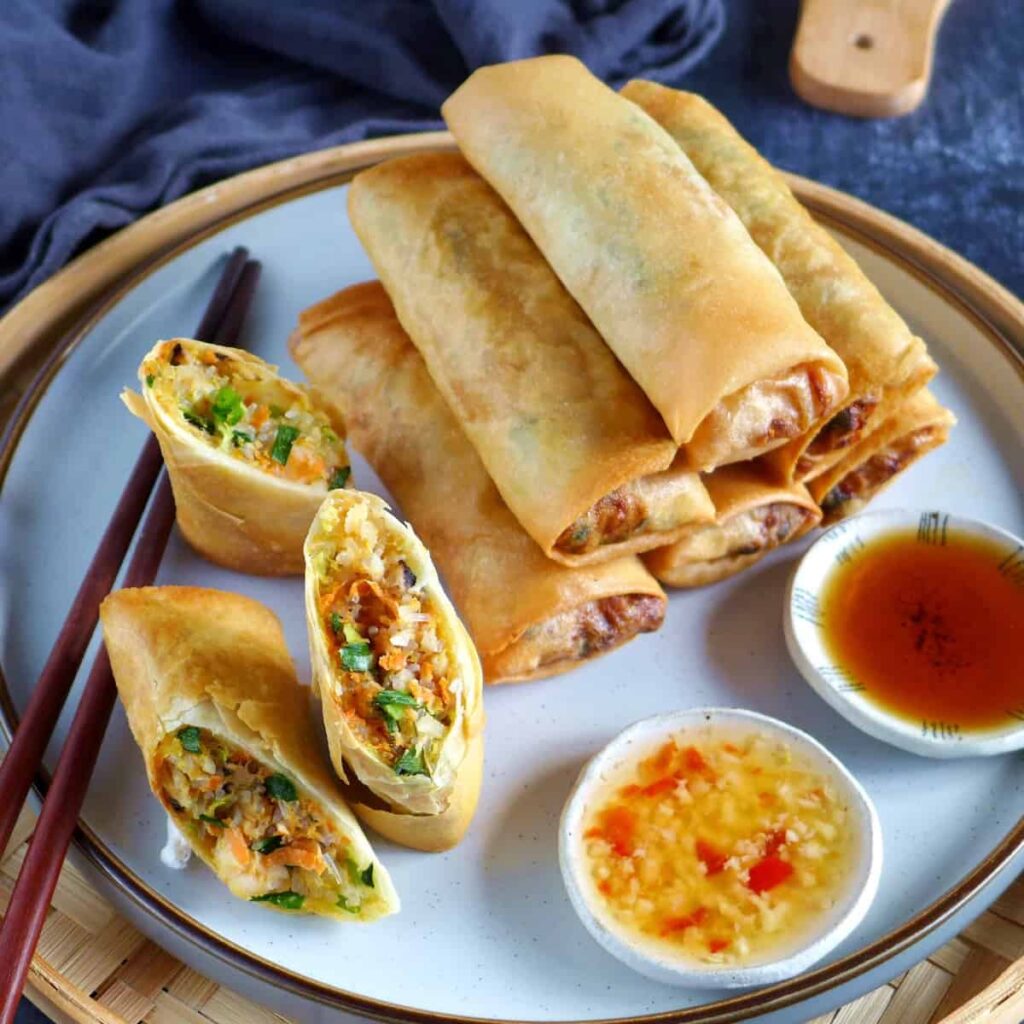
Spring rolls are a popular Chinese New Year snack. They are golden and crispy, which makes them a symbol of wealth and prosperity. People often enjoy them during the celebrations because their shape looks like gold bars. Eating spring rolls is believed to bring good luck and a bright year ahead, making them a tasty and meaningful part of the festival.
Sticky Rice Cake (Nian Gao)
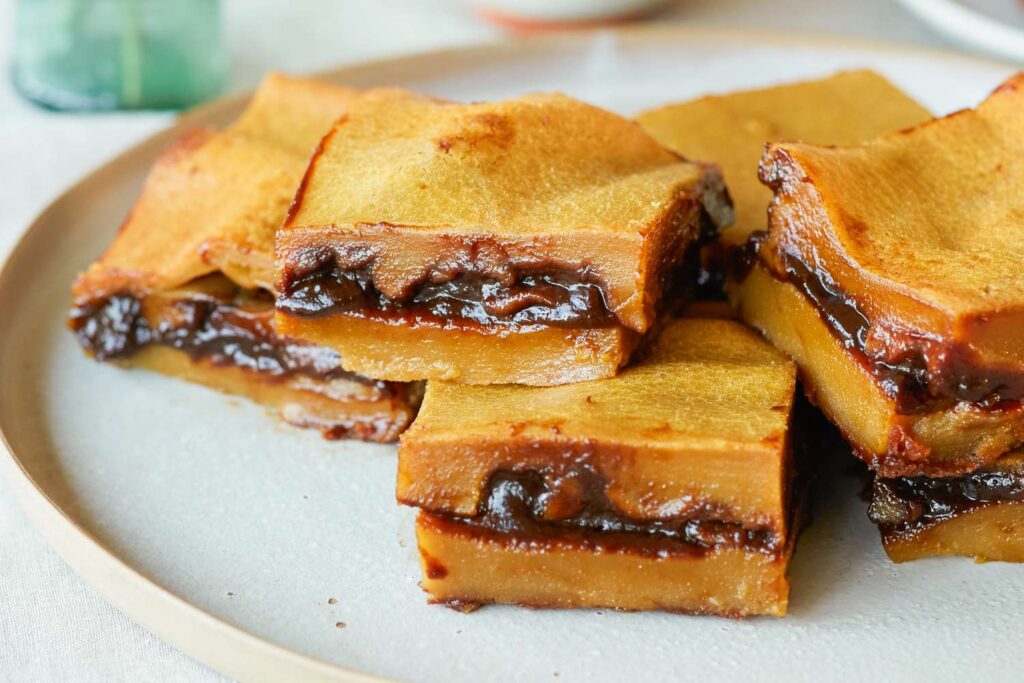
Sticky rice cake, called Nian Gao, is a sweet treat eaten during Chinese New Year. Its name sounds like “higher year,” so it is believed to bring growth, success, and better luck in the coming year. Families enjoy it together as a dessert or snack, making it a sweet way to celebrate the festival and welcome good fortune.
Fish (Yu)
During Chinese New Year, families enjoy Yu, or fish, because it symbolizes plenty and prosperity. The whole fish on the table shows a wish for a complete and successful year ahead. Eating it together brings luck and happiness to everyone.
Longevity Noodles (Changshou Mian)
Longevity noodles, known as Changshou Mian, are a festive food during Chinese New Year. Eating these long noodles is believed to bring a long and healthy life. Sharing them with family makes the celebration joyful and full of good wishes.
Sweet Rice Balls (Tangyuan)
Sweet rice balls, called Tangyuan, are round and soft, symbolizing family togetherness and unity. Eating them during Chinese New Year brings happiness and harmony in the family. They are usually served in a sweet soup, making them a delicious and meaningful treat that celebrates love, warmth, and closeness among loved ones.
Glazed Shrimp
Glazed shrimp is a popular Chinese New Year dish that symbolizes happiness and good fortune. The bright red color of the shrimp represents joy and celebration. Eating shrimp during the festival is believed to bring laughter and a cheerful year ahead. Families often serve it as part of a festive meal to enjoy both taste and tradition.
Steamed Chicken
Steamed chicken is a traditional dish eaten during Chinese New Year. It symbolizes family togetherness and prosperity. Serving the chicken whole represents completeness and unity. Families enjoy it as part of the festive meal, wishing for a happy and successful year ahead.
Turnip Cake (Luo Bo Gao)
Turnip cake, called Luo Bo Gao, is a traditional Chinese New Year dish made from radish and rice flour. It symbolizes growth, good luck, and prosperity. Families enjoy it steamed or pan-fried as a snack or part of the festive meal, wishing for success and a bright year ahead.
Fruits (Oranges and Tangerines)
Oranges and tangerines are popular fruits eaten during Chinese New Year. Their bright color represents wealth and good luck. Sharing these fruits with family and friends is a way to wish everyone happiness, prosperity, and a lucky year ahead. They are easy to enjoy and add a fresh, festive touch to the celebrations.
Conclusion
Chinese New Year is a time to celebrate with family, joy, and delicious food. Each traditional dish carries a special meaning, from dumplings that bring wealth to sweet rice balls that symbolize family unity. By enjoying these festive foods, we honor traditions and welcome good luck, prosperity, and happiness in the new year. Whether you are cooking at home or sharing a meal with loved ones, these foods make the celebration memorable and meaningful.
FAQs
Q1: Why is food so important during Chinese New Year?
A: Food represents luck, prosperity, and family togetherness. Each dish has a symbolic meaning that brings good fortune in the new year.
Q2: What are some common Chinese New Year foods?
A: Popular foods include dumplings, spring rolls, sticky rice cakes, fish, longevity noodles, sweet rice balls, glazed shrimp, steamed chicken, turnip cake, and oranges or tangerines.
Q3: What does eating dumplings symbolize?
A: Dumplings, or Jiaozi, are shaped like ancient gold ingots and symbolize wealth and prosperity for the year ahead.
Q4: Why do families eat fish during Chinese New Year?
A: The word for fish, “Yu,” sounds like “abundance,” so eating fish is believed to bring wealth and plenty in the coming year.
Q5: What do sweet rice balls (Tangyuan) represent?
A: Tangyuan symbolize family unity and togetherness. Eating them brings happiness and harmony to the family.
Q6: Why are oranges and tangerines popular during Chinese New Year?
A: Their bright color represents wealth, good luck, and prosperity. Sharing them is a way to wish happiness to family and friends.




What do you think?
It is nice to know your opinion. Leave a comment.